
Why Mold and Mildew Happens on Boats (Especially in Florida)
Boats are basically humidity traps: enclosed cabins, storage compartments, wet gear, and limited airflow. Add Florida heat and moisture and you get the perfect environment for mildew growth. Most mildew isn’t a “cleanliness” issue—it’s a moisture + airflow issue.
Common causes we see around Daytona Beach and Central Florida:
- • Wet towels, life jackets, ropes, or dock lines stored in compartments
- • Condensation in cabins after temperature changes
- • Boats kept covered without ventilation
- • Closed hatches/windows for long periods
- • Leaks around windows/hatches letting moisture in
- • A/C drain or plumbing moisture in the cabin/head area
The key takeaway:
You remove mildew by cleaning correctly. You prevent mildew by controlling moisture and airflow long-term.
Safety First: Don’t Damage Materials (or Gas Yourself Out)
Before you spray anything, treat mildew like a safety + materials problem. Many “quick fix” chemicals can discolor fabrics, weaken stitching, haze plastics, corrode metals, or leave harsh residues—especially in a closed cabin.
Our basic rules:
- • Ventilate hard: open hatches/windows and use a fan when possible
- • Wear gloves and eye protection
- • Spot test any cleaner in a hidden area first
- • Don’t mix chemicals
- • Wipe/rinse residues—leftover film attracts dirt and moisture
If you’re dealing with heavy growth inside a cabin that’s been closed for a long time, take ventilation seriously. Strong odors usually mean airflow is poor and spores are concentrated.
Tools + Product Picks We Actually Use (and Why They Work)
You don’t need 20 bottles. You need a small system: a good cleaner for buildup, a targeted mildew remover, soft brushes for seams/texture, microfiber towels, and a way to dry the boat out.
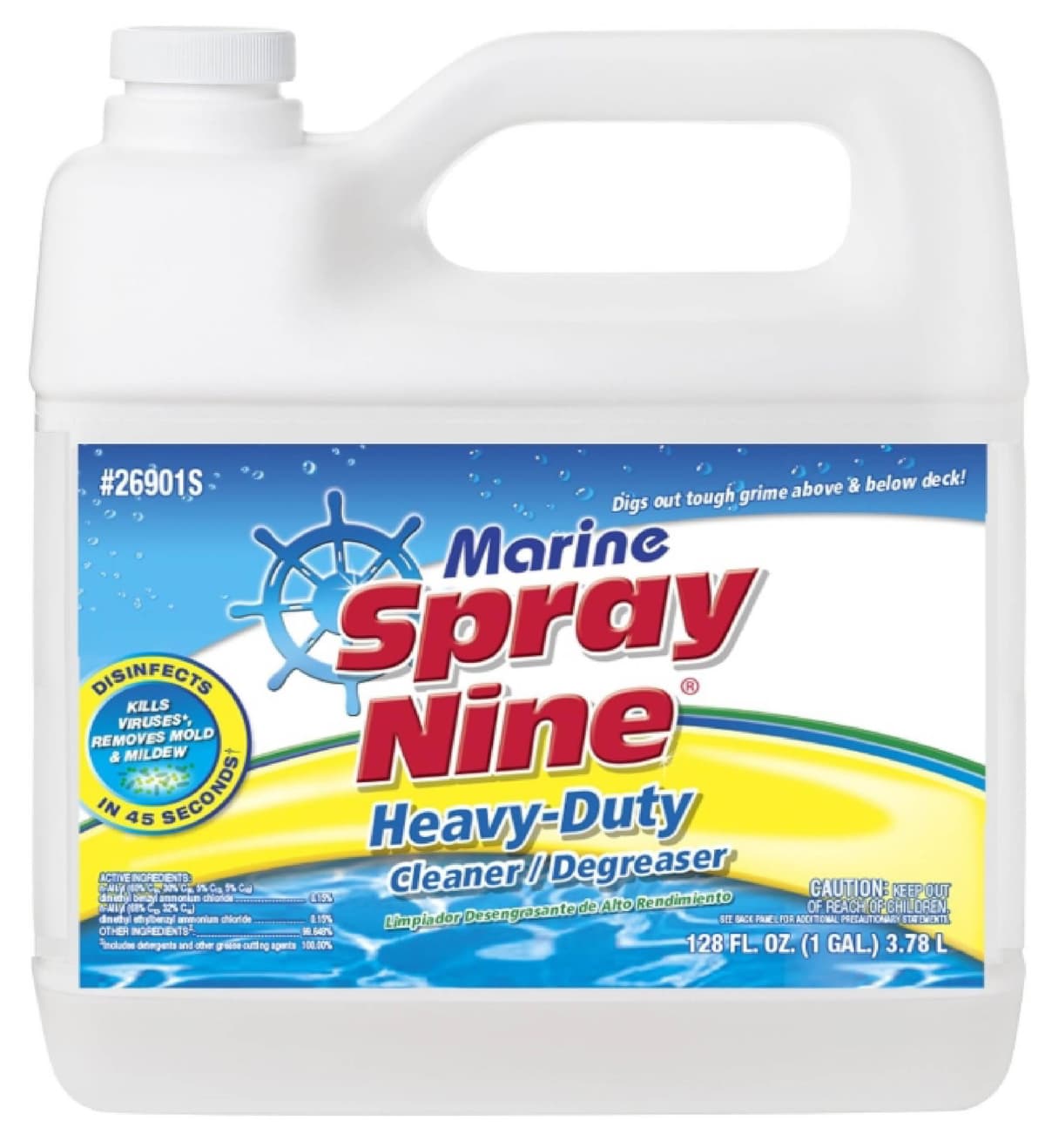
Marine Spray Nine
Vinyl • MoldMarine Spray Nine kills germs, removes stains and yellowing and eliminates bacterial odors with little effort.
Disclosure: As an Amazon Associate, we earn from qualifying purchases.
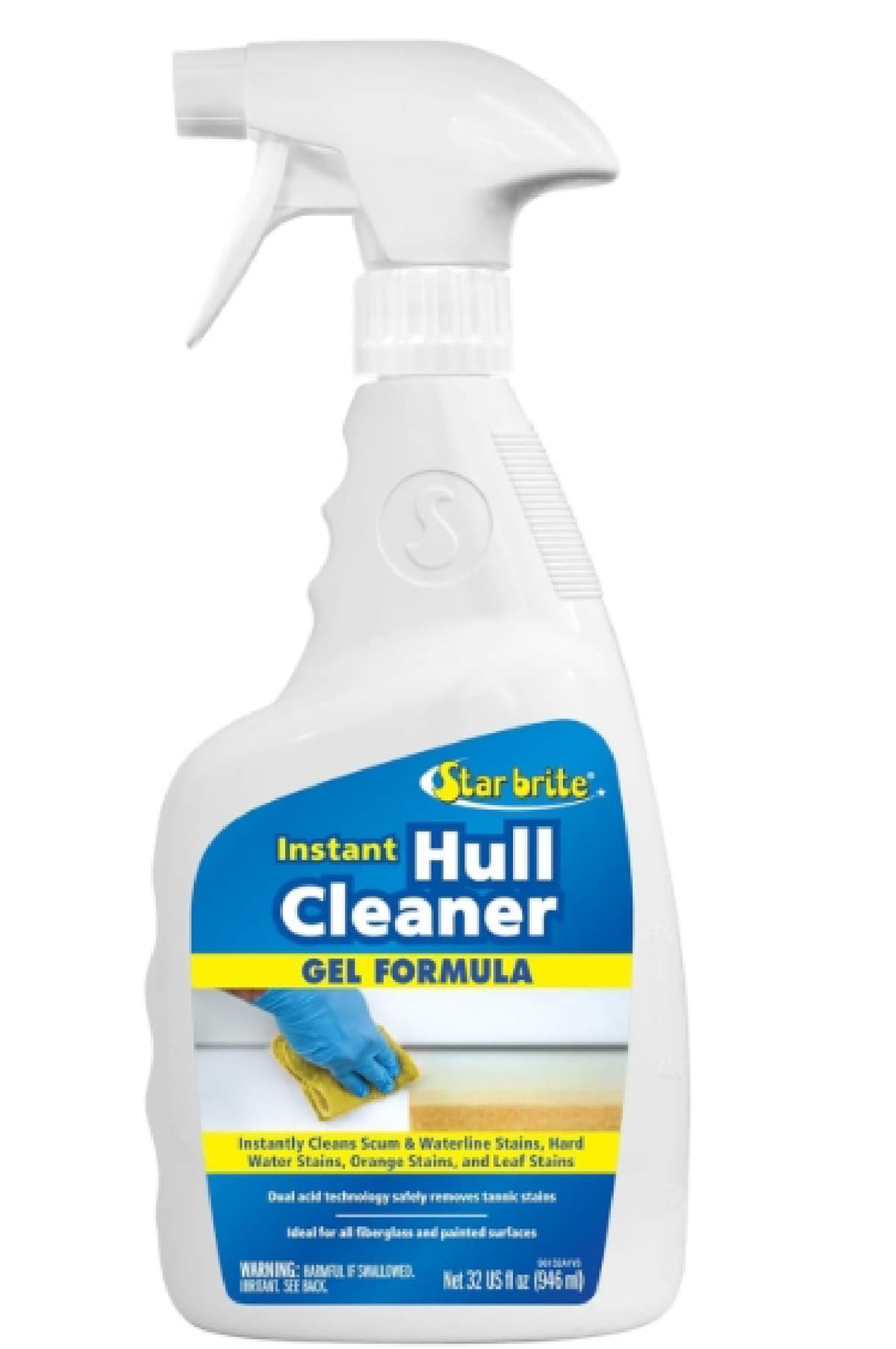
STAR BRITE Instant Hull Cleaner
Gel • TargetedGreat when you want more control. Gel-style cleaners can stay where you apply them, making it easier to target stubborn staining without soaking materials.
Disclosure: As an Amazon Associate, we earn from qualifying purchases.
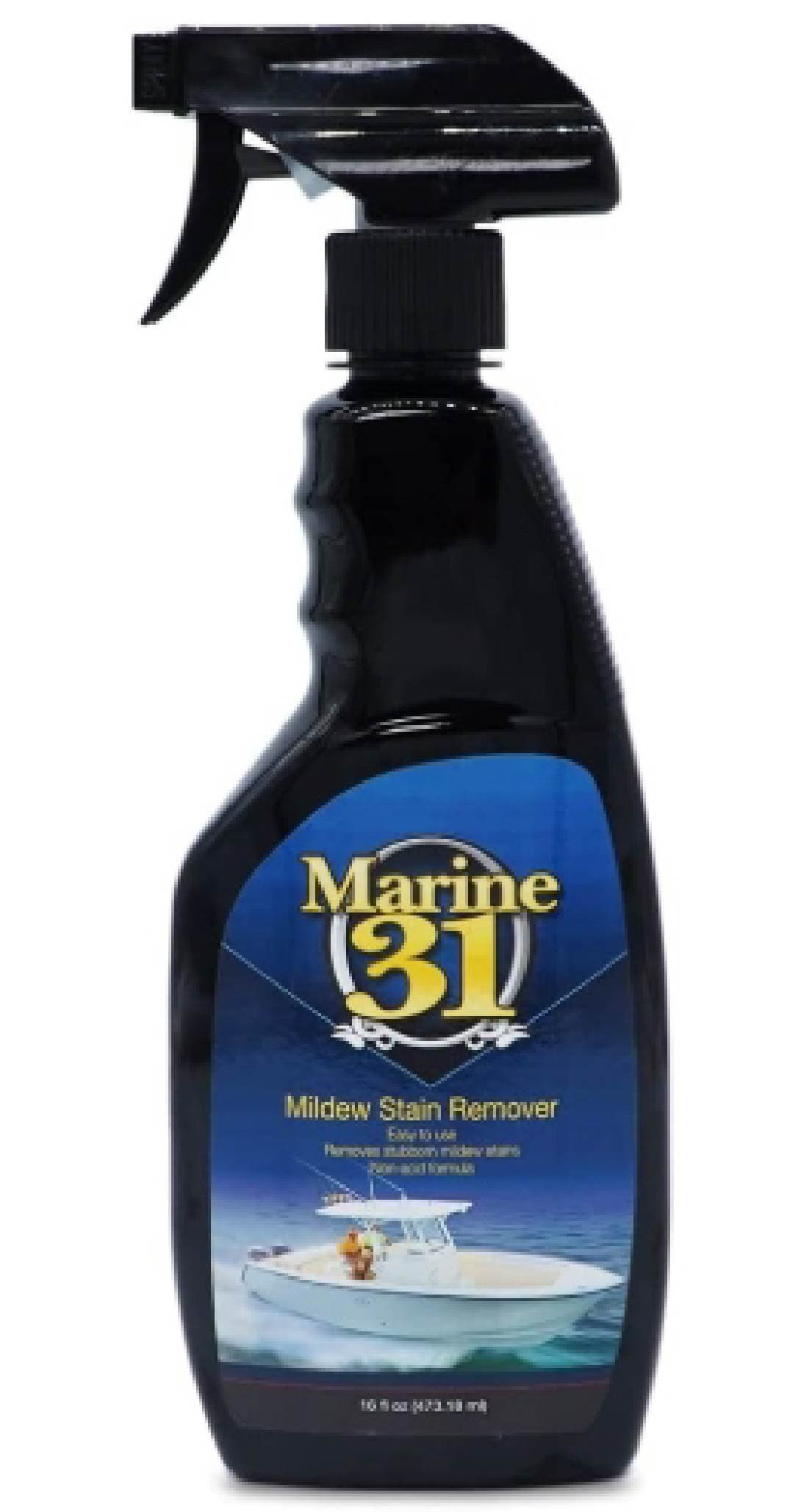
Marine 31 Mildew Remover
Cabin • HeadA well-known marine cleaner that boat owners use for mildew staining in common interior areas like heads, cabins, compartments, and textured surfaces.
Disclosure: As an Amazon Associate, we earn from qualifying purchases.
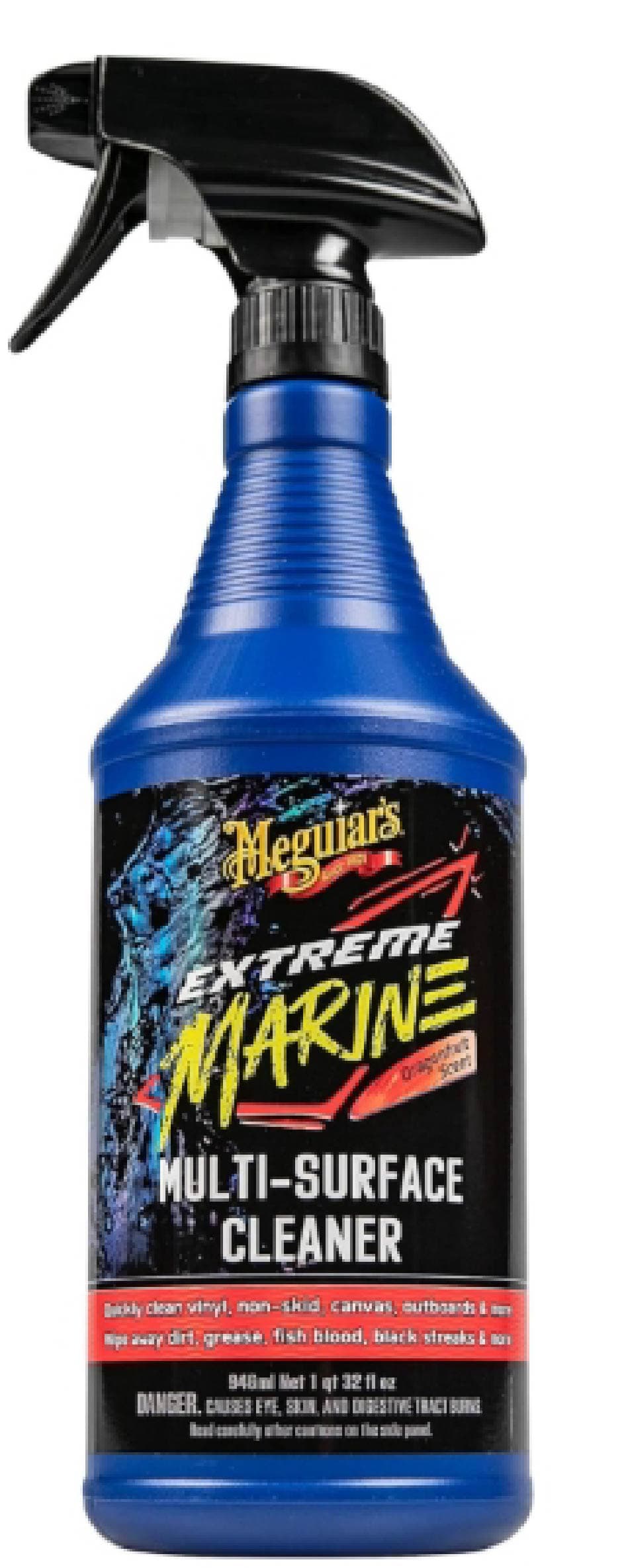
Meguiar’s Extreme Marine Multi-Surface Cleaner
General CleaningA versatile cleaner for wiping down grime, film, and buildup that mildew feeds on. Great for maintenance and pre-cleaning before targeted mildew treatment.
Disclosure: As an Amazon Associate, we earn from qualifying purchases.
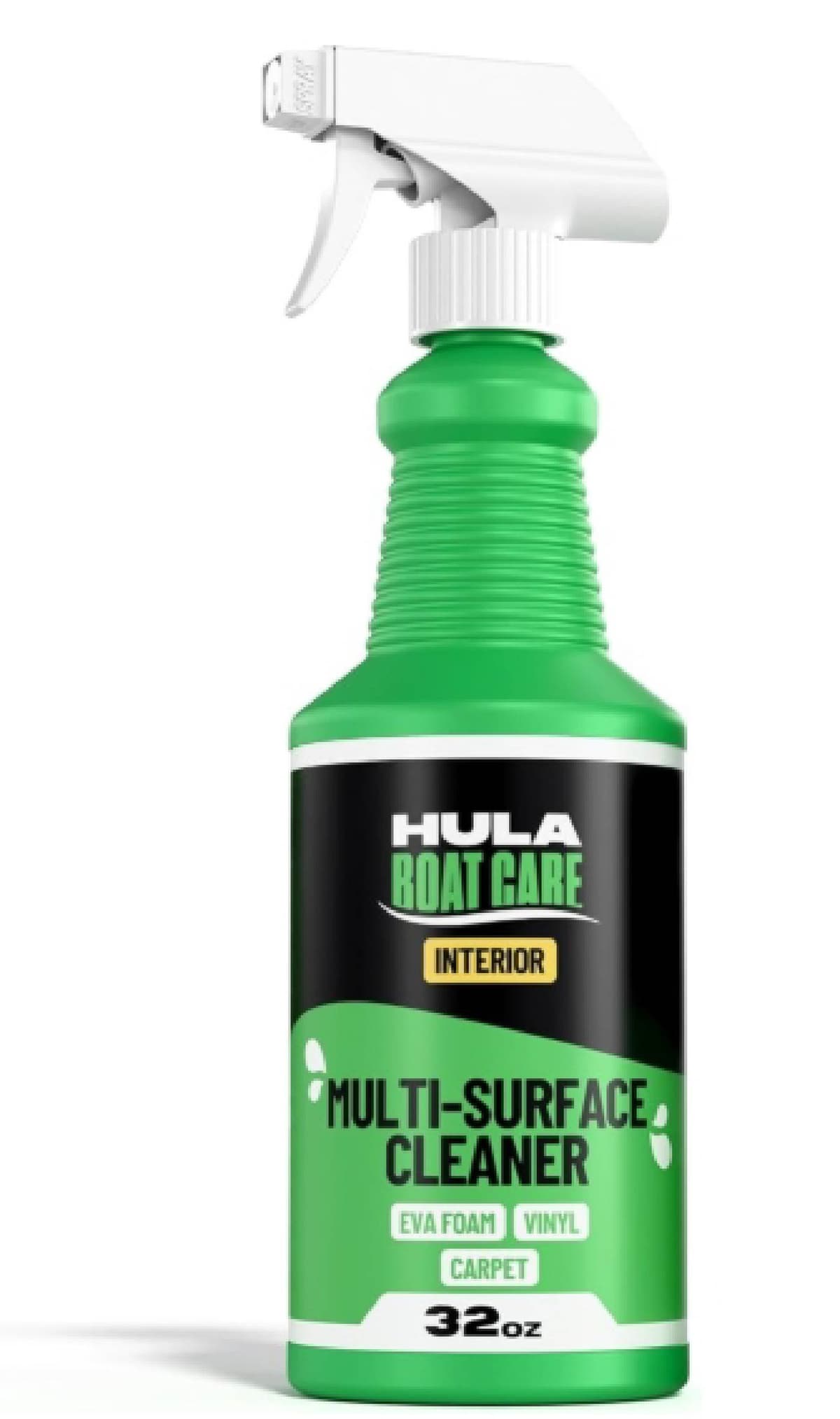
Hull-A-Boat Care (Mildew / Interior Cleaner Option)
Interior CleanerA marine-safe interior cleaner option for mildew-prone vinyl, compartments, and cabin surfaces when you want something made for regular boat care instead of harsh household chemicals.
Disclosure: As an Amazon Associate, we earn from qualifying purchases.
Pro move for Florida:
The best “mildew remover” is a dry boat. Cleaning fixes the visible problem — drying and airflow stops it from returning.
Step-by-Step: How to Remove Mold and Mildew From a Boat
This is the structure we use for most interior mildew jobs. Your exact products may vary by surface, but the process stays the same: remove loose contamination, clean, wipe residue, then dry completely.
1) Ventilate + dry prep
Open hatches, windows, and compartments. If you can, run a fan. Pull wet items out (towels, life vests, ropes).
2) Dry removal first
Vacuum loose debris/spores with a brush attachment. For fabric, use gentle brushing to lift surface film without pushing it deeper.
3) Clean with the right product for the surface
Use marine-appropriate cleaners for the material. Work in small sections and avoid soaking seams, stitching, or foam-backed areas.
4) Controlled agitation
Soft brush for vinyl/texture, microfiber for smooth surfaces, fabric brush for carpet/cloth. You’re lifting contamination—not sanding material.
5) Wipe residue completely
This is where most DIY jobs fail. If residue remains, it attracts dirt and moisture. Use clean microfiber towels and change them often.
6) Dry fully (this is prevention)
Leave compartments open. Run fans if possible. Don’t close the boat while anything is damp—mildew will return fast in Florida humidity.
Vinyl Seats, Cushions, and Stitching: What Works Without Damage
Boat vinyl is durable, but seams and stitching can be vulnerable to harsh chemistry and aggressive scrubbing. One of the most common mistakes we see is “nuking” vinyl with strong cleaners repeatedly. It may look better short-term, but it can dry materials and shorten the life of stitching.
Pro tips for vinyl:
- • Work in shade when possible (sun bakes chemicals into vinyl)
- • Use soft brushes at seams to avoid shredding threads
- • Wipe clean and dry fully before closing the boat
- • After cleaning, protect vinyl so it stays easier to maintain
If mildew has migrated into foam or you’re dealing with recurring odor, the fix usually requires deeper cleaning and controlled drying—this is where professional detailing makes a big difference.
Carpet, Fabric, and Headliners: Why They’re Harder Than Vinyl
Fabrics and carpet can hold moisture and spores deeper inside the material. That’s why “wipe it once” doesn’t always work. These surfaces typically need gentler chemistry, controlled agitation, and thorough drying.
Best approach:
- • Vacuum first (dry removal)
- • Light application of cleaner (avoid soaking)
- • Agitate gently with a fabric-safe brush
- • Blot/wipe and remove residue
- • Dry with airflow (fan) until fully dry
Cabin, Head, and Compartments: The Areas That Re-Grow Fastest
Cabins and heads re-grow mildew quickly because they stay closed and trap moisture. If you clean the visible surfaces but leave humidity trapped inside, you’ll smell it again within weeks.
Quick compartment checklist:
- • Remove everything wet (ropes, towels, life vests)
- • Clean surfaces and wipe residues
- • Leave compartments open during drying
- • Add airflow/venting or moisture absorbers for storage
- • Check seals and hardware for water intrusion
How to Prevent Mold and Mildew From Coming Back (Florida-Proof System)
Prevention isn’t one magic spray—it’s a system. The best results come from keeping the boat clean, keeping the interior dry, and letting air move.
1) Airflow
Ventilation is the #1 prevention tool. Even small airflow changes reduce condensation and trapped humidity.
2) Dry habits
Don’t store wet items. If something gets wet, dry it before it goes back into a compartment.
3) Routine interior wipe-downs
Regular wipe-downs prevent film buildup where mildew starts. Small maintenance beats big restorations.
4) Protection
After cleaning, protect interior vinyl so it resists drying and stays easier to maintain.
What NOT to Do (Common DIY Mistakes)
- • Don’t soak cushions repeatedly (moisture can get trapped and re-grow)
- • Don’t close the boat while anything is damp
- • Don’t scrub seams/stitching aggressively
- • Don’t ignore the cause (leaks, condensation, wet storage items)
- • Don’t mix chemicals
The best mildew removal jobs don’t just “make it look better”—they fix the conditions that allowed it to grow.
FAQ
Boat Mold and Mildew Removal FAQ
Quick answers to the most common mold and mildew questions we hear from boat owners in Florida.
What’s the best way to remove mildew from boat seats and vinyl?
What’s the best way to remove mildew from boat seats and vinyl?
Ventilate first, then use a vinyl-safe marine cleaner or mildew remover. Work in small sections, agitate gently at seams, wipe residue completely, and dry thoroughly. The biggest mistake is closing the boat while anything is still damp.
Why does mildew keep coming back in my boat cabin?
Why does mildew keep coming back in my boat cabin?
Mildew returns when moisture and airflow issues remain. Common causes include closed hatches, damp storage items, condensation, leaks around windows/hatches, and wet compartments. Cleaning removes the growth, but prevention requires drying and airflow.
How do I prevent mildew in Florida marinas and humid storage?
How do I prevent mildew in Florida marinas and humid storage?
Airflow and dryness are the keys. Ventilate when possible, don’t store wet towels or gear, dry the boat after use, and keep routine interior wipe-downs. Consistent maintenance prevents deep restorations.
Is mildew removal different for carpet and fabric vs vinyl?
Is mildew removal different for carpet and fabric vs vinyl?
Yes. Fabrics and carpets can hold moisture and spores deeper inside the material. They often require gentler chemistry, controlled agitation, thorough residue removal, and aggressive drying to prevent re-growth.
When should I call a professional for mold or mildew on my boat?
When should I call a professional for mold or mildew on my boat?
If mildew is heavy, keeps returning, has a strong odor inside the cabin, or appears to be inside foam/cushions or behind panels, it’s worth bringing in a professional. The goal is not only removing it—but preventing it from coming right back.
Do you offer boat interior cleaning in Daytona Beach?
Do you offer boat interior cleaning in Daytona Beach?
Yes. We provide professional interior cleaning and detailing in Daytona Beach and surrounding Central Florida marinas. Request a free quote and include photos if possible.
Disclosure: As an Amazon Associate, we earn from qualifying purchases.
Need professional interior mildew removal in Daytona Beach / Central Florida?
If mildew keeps coming back, there’s usually a reason. We can inspect, clean properly, and recommend prevention steps based on how your boat is stored (slip, lift, covered, or dry storage).
Tip: If you can, include photos and tell us where the boat is stored. It helps us quote faster.
Disclosure: As an Amazon Associate, we earn from qualifying purchases.