
Key Takeaways
- • Vinyl damage in Florida is mostly UV + heat drying the material out—protection matters more than “scrubbing harder.”
- • Always clean first (remove oils/sunscreen/grime), then apply a real UV protectant on fully dry vinyl.
- • Avoid bleach, harsh degreasers, and greasy “shine” products—they can cause drying, slick seats, and attract dirt.
- • Consistency wins: a simple routine every 4–6 weeks keeps seats from fading and cracking.
Why Boat Vinyl Seats Fade and Crack in Florida
Marine vinyl is built for moisture, but Florida conditions are a different league: relentless UV, heat, humidity, and (near the coast) salt exposure. UV breaks down the surface layer over time, heat speeds up drying, and body oils + sunscreen bake into the texture. The result: fading, “chalky” look, stains, stiff seats, and eventually cracking.
The fix isn’t “more scrubbing.” The real winning routine is: clean correctly (remove oils/grime/mildew) and then protect with UV barrier on a schedule so the vinyl doesn’t dry right back out.
Common vinyl damage we see on Florida boats:
- • Fading and “chalky” looking seats from UV exposure
- • Pink or yellow staining (often from sunscreen/body oils)
- • Mildew spots in seams and stitching after humid weeks
- • Dry, stiff vinyl that eventually cracks under pressure
What Not to Use on Marine Vinyl
Avoid harsh degreasers, household “bathroom” cleaners, and anything that leaves a slick, greasy layer. Some shine products feel good for 10 minutes… then attract dirt, feel slippery, and can accelerate drying. For vinyl restoration you want marine-safe cleaning + real UV protection.
Quick rules:
- • Don’t use bleach or harsh all-purpose cleaners
- • Don’t scrub with abrasive pads that scuff the surface
- • Don’t apply protectant over dirty vinyl
- • Don’t leave product pooled in seams or stitching
Step-by-Step: Restore and Protect Boat Vinyl Seats
This is the simple “pro-style” process that works for most Florida boats. If your seats are already stiff, stained, or hazy-looking, don’t skip the drying step — protection bonds best on clean, fully dry vinyl.
1) Dry wipe + light rinse
Remove loose grit first so you don’t grind it into the vinyl while cleaning.
- • Microfiber wipe-down
- • Light rinse (don’t blast seams)
2) Deep clean with marine vinyl cleaner
Target body oils, sunscreen residue, and grime. Use a soft brush on texture and stitching.
- • Work in small sections
- • Agitate gently, then wipe
- • Repeat on high-touch areas
3) Let vinyl dry fully
Protectant performs best on dry vinyl. Drying also reduces trapped moisture that leads to mildew.
- • Towel dry, then air dry
- • Open compartments for airflow
4) Apply UV protectant (the keep-it-new step)
This is what slows fading and cracking in Florida. Apply evenly, then buff off excess for a non-greasy finish.
- • Use an applicator pad
- • Buff to a clean finish
- • Avoid wet product in seams
Recommended Products for Cleaning + UV Protection
These are common go-to options for cleaning and protecting marine vinyl. The biggest difference usually comes from consistency: clean the oils off, protect from UV, repeat on schedule.
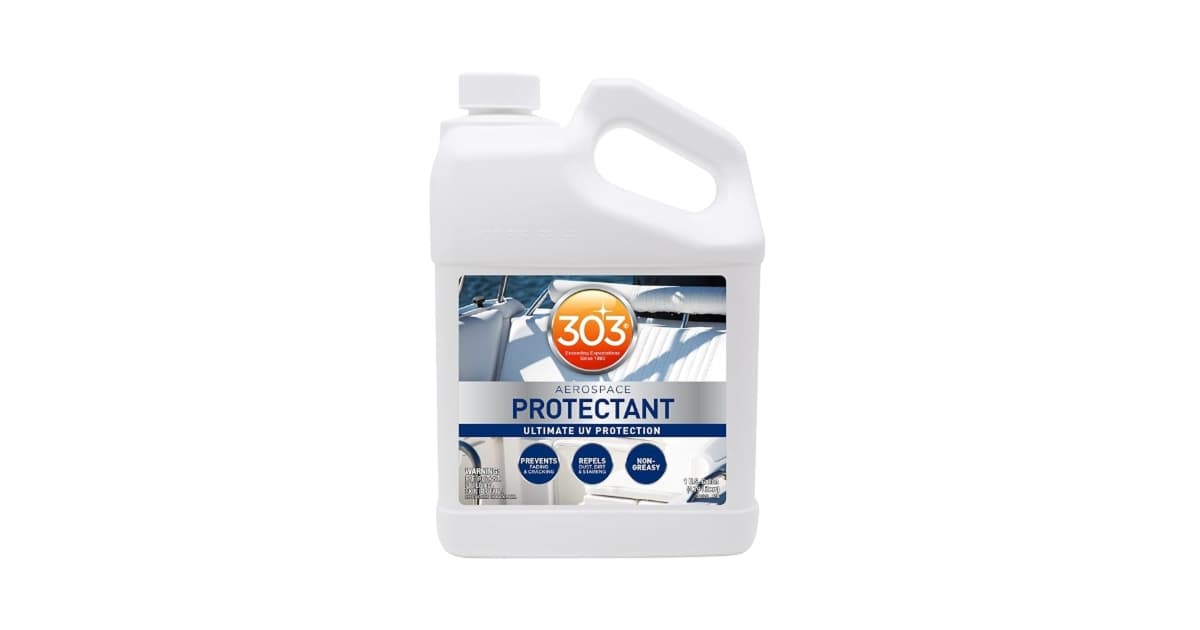
303 Marine Aerospace Protectant (UV Protection)
Best UV protectionA trusted marine protectant that helps reduce UV fading and vinyl drying in harsh Florida sun. Applied correctly, it leaves a clean, non-greasy finish that keeps seats looking newer longer.
As an Amazon Associate, we earn from qualifying purchases.
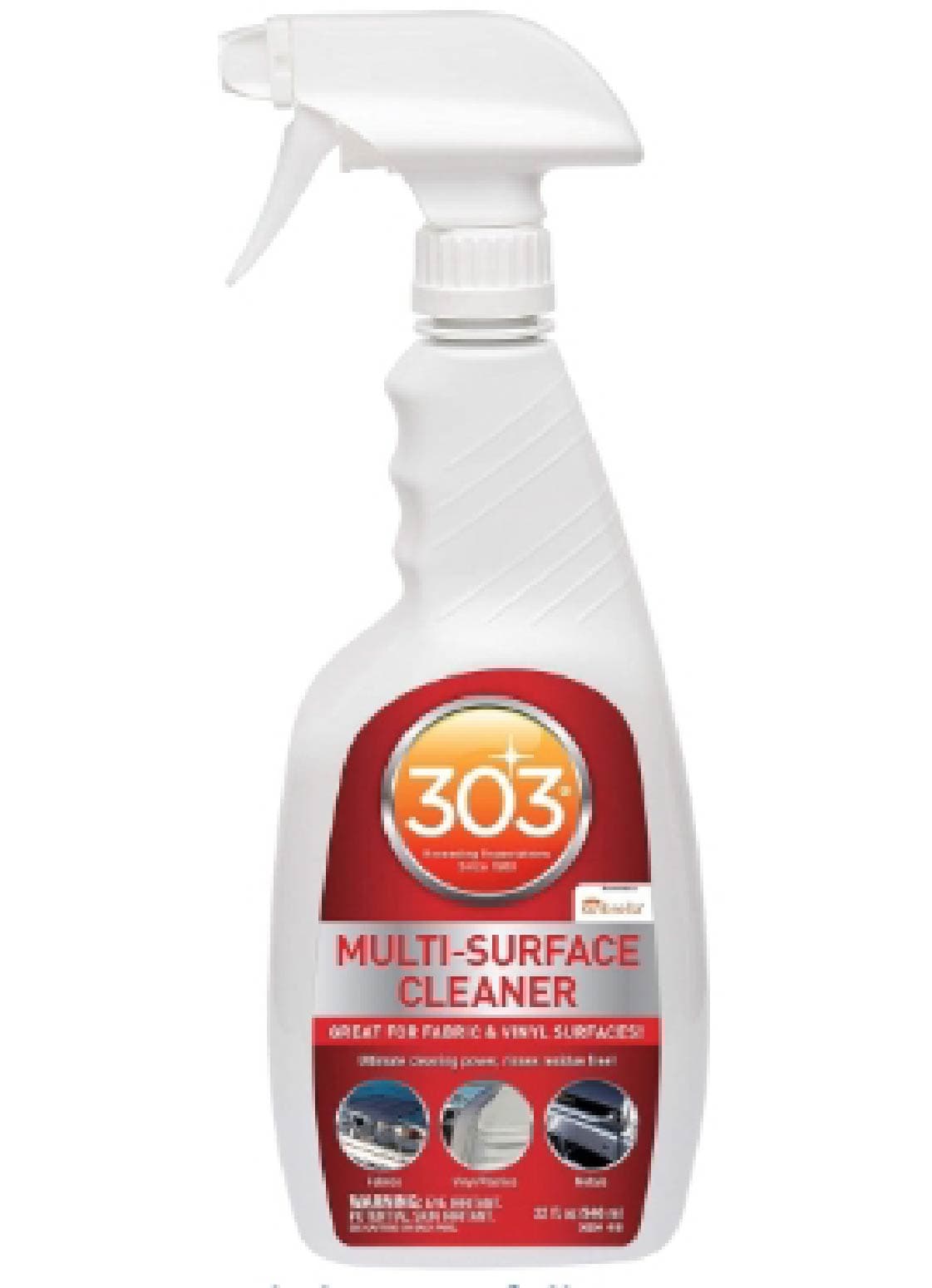
303 Marine Cleaner (Cleaner / Spot Treatment)
Routine cleanerA marine-safe cleaner for routine wipe-downs and spot cleaning. Great for keeping vinyl looking uniform between deep cleans—especially on high-touch areas where sunscreen and body oils build up.
As an Amazon Associate, we earn from qualifying purchases.
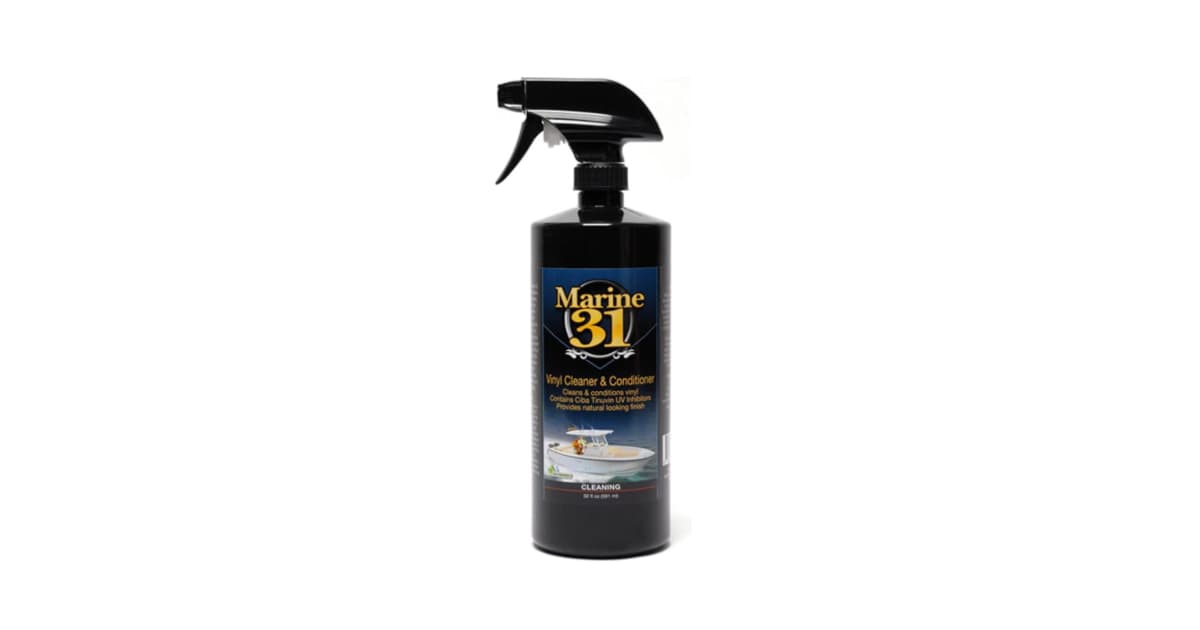
Marine 31 Vinyl Cleaner & Conditioner (Cleaning)
A marine-focused cleaner/conditioner option for regular upkeep. Helps lift grime and restore a more even finish without harsh degreasers that can dry vinyl over time.
As an Amazon Associate, we earn from qualifying purchases.
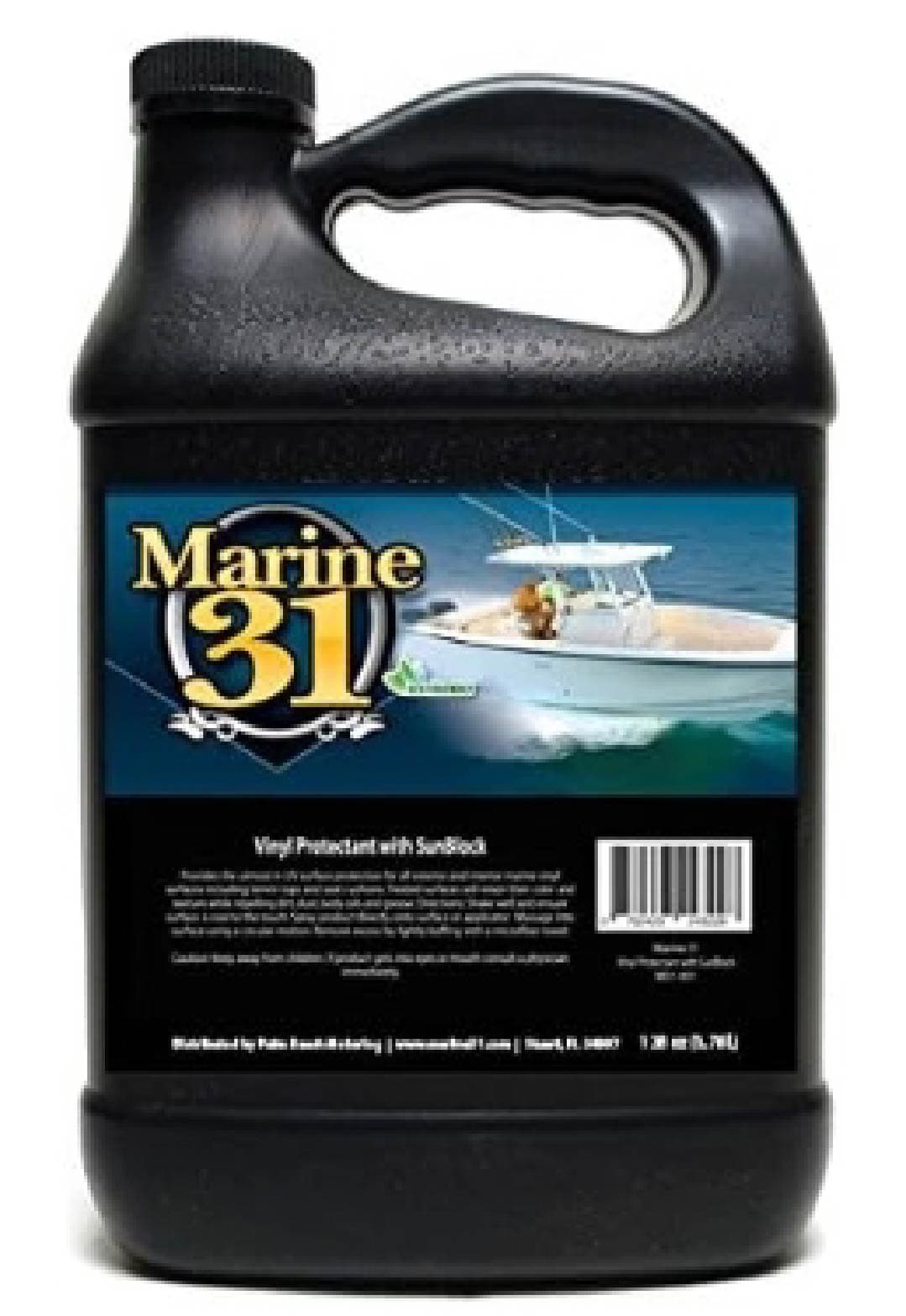
Marine 31 Vinyl Protectant with Sunblock (UV Protection)
UV protectant optionA protectant option built to reduce UV damage (fading and cracking) on interior and exterior vinyl. Works best when applied evenly on clean, fully dry vinyl.
As an Amazon Associate, we earn from qualifying purchases.
If you want the simplest “done-right” approach: choose one cleaner for routine upkeep, and one UV protectant you can apply consistently every 4–6 weeks.
Maintenance Schedule for Florida Boats
For boats stored outdoors or used often around Daytona Beach, Volusia County, and nearby coastal areas, this routine keeps vinyl looking newer longer:
- • Quick wipe-down after use (especially after saltwater)
- • Deep clean monthly (more often in peak summer)
- • Apply UV protectant every 4–6 weeks
- • Address mildew early — don’t let it live in seams
If your vinyl already feels stiff or looks “dry,” don’t wait. Early maintenance is cheaper than replacing seats later.
When to Hire a Professional for Vinyl Restoration
DIY maintenance goes a long way, but professional cleaning helps when vinyl has heavy staining, embedded mildew, or years of buildup. If you want the boat looking “show ready” for the season, we can deep clean and protect the interior as part of an interior detail or full detail package.
Want us to handle it?
Send your boat length, location, and what needs attention — we’ll reply with clear pricing and scheduling options.
FAQ
How often should I protect boat vinyl in Florida?
Most Florida boats do best with UV protectant every 4–6 weeks (more often if stored outdoors in direct sun). If you wipe down after use and keep oils off the vinyl, protection lasts longer.
What causes the pink or yellow stains on boat seats?
Most commonly sunscreen, body oils, and heat. Those residues bake into the texture over time. A proper vinyl cleaner plus consistent maintenance prevents it from building up.
Should vinyl feel shiny after protectant?
Not really. A quality finish should feel clean and dry—not slick. Apply thin and buff off excess. Over-application is what causes grease and attracts dirt.
Can mildew come back even after cleaning?
Yes—especially in seams if moisture stays trapped. Fully drying the vinyl, improving airflow, and keeping a consistent routine is how you stop it from returning.
As an Amazon Associate, we earn from qualifying purchases.
More Helpful Guides
If you’re building a full “keep it new” plan for the season, these are great next reads: